Home › Lab Tests
How CBD Is Extracted And Tested
The way CBD is pulled from hemp decides what can be left behind. The lab report is where you check.
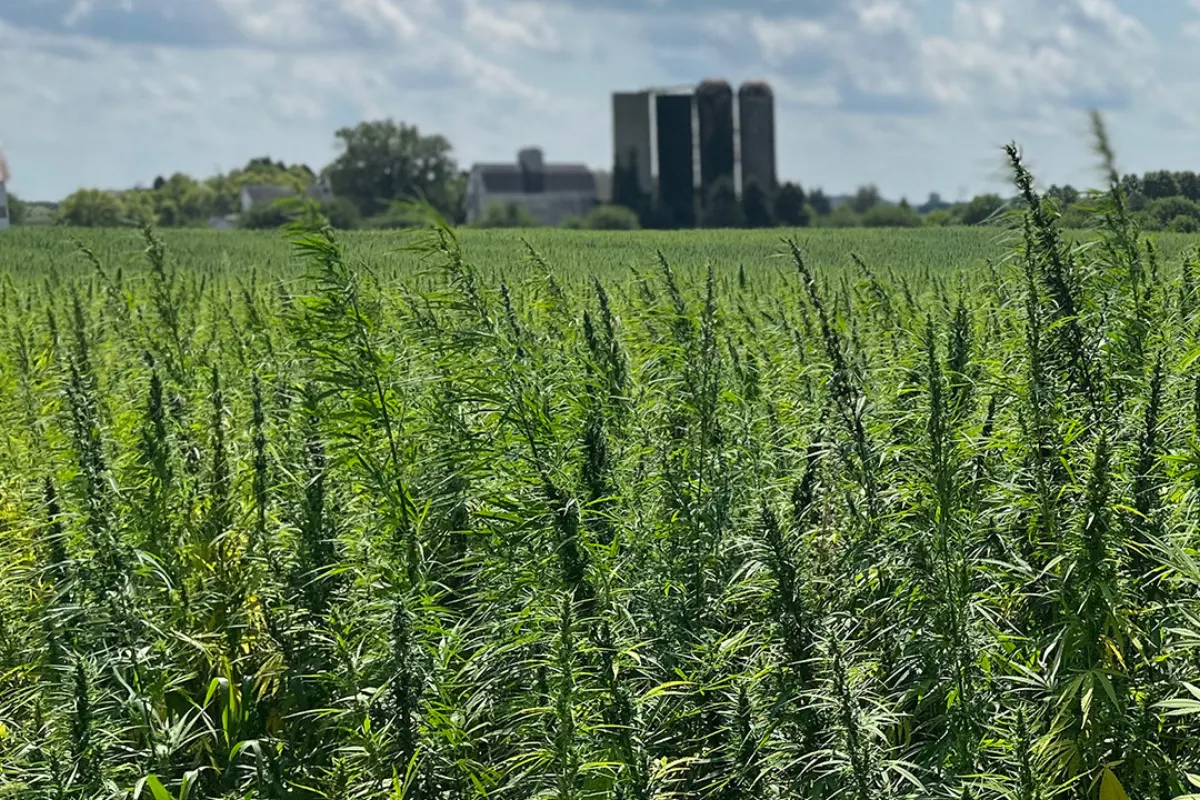
CBD lives in the flowers and leaves of the hemp plant. Makers pull it out with a solvent, clean it up and blend it into a carrier oil. There are two main ways to do the pulling.
CO2 Extraction
Carbon dioxide under high pressure acts like a liquid and carries the CBD out. When the pressure drops, the CO2 turns back into gas and leaves.
Ethanol Extraction
Food grade alcohol soaks the plant and carries the CBD out. The alcohol is then boiled off. A good process leaves almost none behind.
Distillate And Isolate
Extra steps can strip out THC for broad spectrum oil, or refine CBD into a white powder called isolate.
Five Lab Panels To Look For
- Potency. Total CBD, total THC and other cannabinoids. Compare total CBD with the label.
- Residual solvents. Shows what is left of the ethanol or other solvent. Each line should pass.
- Pesticides. Hemp pulls things out of the soil and the air. A long list of passes is a good sign.
- Heavy metals. Lead, arsenic, cadmium and mercury, each with a result.
- Microbials. Mold, yeast and bacteria. Not every report has this panel, so note when it is missing.
Farm tests and product tests are different. The USDA hemp program requires growers to test hemp at a DEA registered lab and is delaying enforcement of that rule until December 31, 2026, per the USDA hemp program. That test happens in the field. You still want a report on the finished oil you buy.
Match The Report To Your Bottle
The report should list the same batch number as your bottle, the lab's name and address, and a recent date. A shop that checks this for you saves time. Great CBD Shop says it requires a third party lab report for every product and checks potency, pesticides, heavy metals and residual solvents before listing it, as described on its about page. Hold any oil to that same list.